
$1,000 USD/Day
has emerged as the USA benchmark domestic contract rate for 2026.
International flying increasingly commands a premium - most often about + $100/day more, accompanied by enhanced per diem or reimbursement policies.
Sājet Solutions first published the USA benchmark daily rate in 2019 = $500/day. In 2024 = $775/day. It has doubled in the last seven years!
Survey Directory


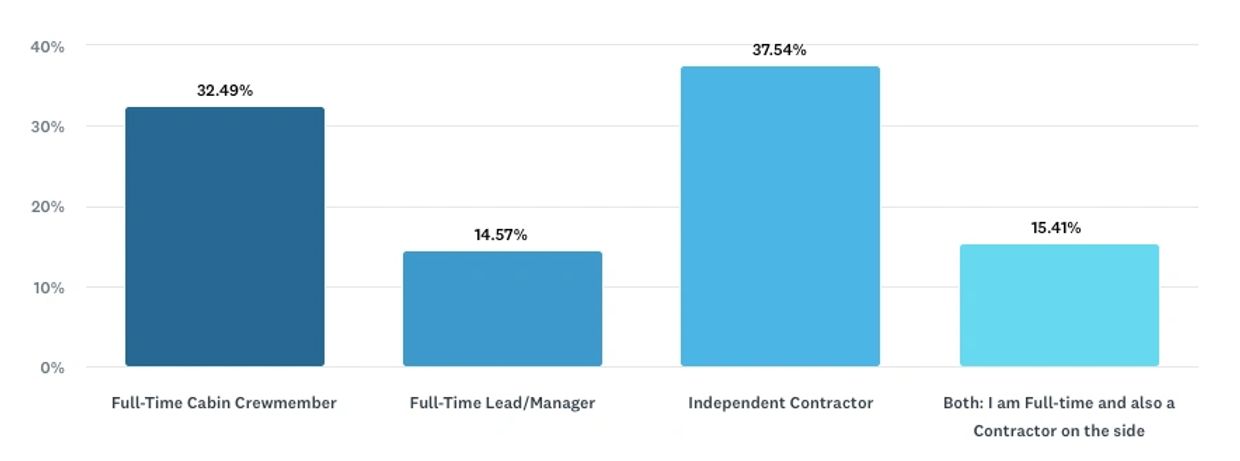
Total Survey Participant Classifications
USA Benchmark Daily Rates > Domestic
-8b818a4.png/:/rs=w:1240,cg:true,m)
Key Market Insights
Market Rate: $1,000 USD/day
Competitive Market Range: $850-$1,200 USD/day
Approximately half of all respondents fall within this range, making it an excellent benchmark for negotiations.
Premium Market: $1,200+USD/day
These rates generally represent experienced cabin crew, specialized aircraft qualifications, premium service expectations, international operations, or complex itineraries.
USA Independent Cabin Crew Daily Rate Snapshot
- Median Daily Rate: $1,000 USD
- Average Daily Rate: $981 USD
- Most Common Rate: $1,000 USD
- Typical Market Range: $850–$1,200 USD/day
- Reported Range: $400–$2,000 USD/day
Additional Stats:
- Lowest Reported: $400 USD
- 25th Percentile: $850 USD
- Median (50th Percentile): $1,000 USD
- Average (Mean): $981 USD
- 75th Percentile: $1,100–$1,200 USD
- Highest Reported: $2,000 USD
Trip Prep Compensation
Trip Prep Compensation Insights
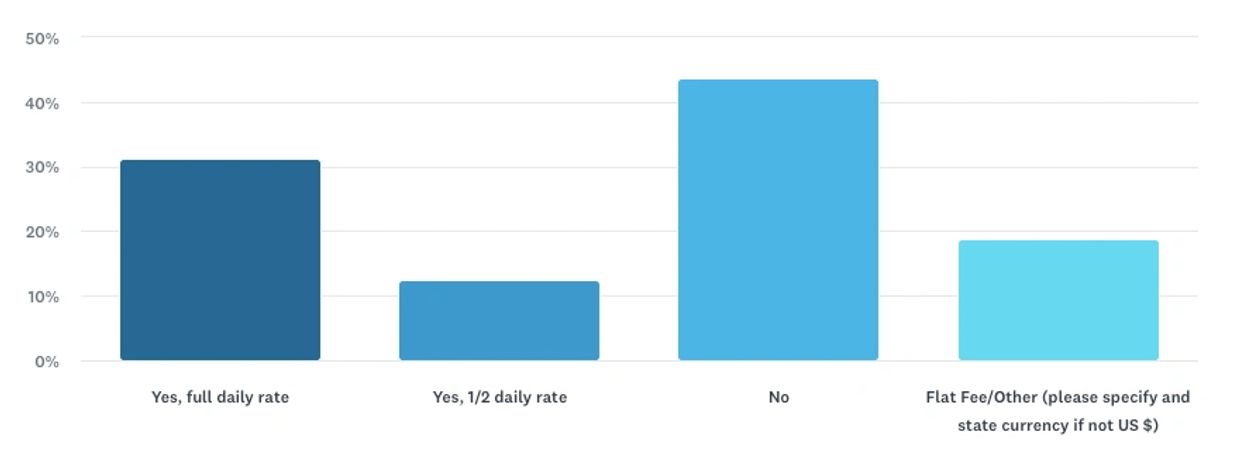
Among respondents who are compensated for trip preparation days, the majority receive their full daily rate, while just over one-third receive half of their standard daily rate. Survey comments revealed that compensation for trip preparation days varies considerably depending on the operator, account, workload, and type of trip.
Many contractors work with multiple operators, each maintaining different expectations and compensation policies. Several respondents noted they receive:
- Full day rate on some accounts
- Half day rate on others
- No compensation from certain client
International trips are much more likely to include prep-day compensation.
Many respondents indicated they only charge for preparation days when supporting international trips due to the increased complexity.
Additional tasks often include:
- International catering coordination
- Customs and destination requirements
- Passenger documentation
- Extended provisioning
- Additional planning and logistics
Several respondents stated:
- International = full day
- Domestic = half day or none
Many contractors negotiate prep days individually.
A recurring theme was that experienced contractors negotiate preparation time before accepting an assignment.
Some contractors increase their daily rate instead.
Rather than billing separately for preparation time, several respondents reported incorporating expected preparation work into a higher daily rate.
One respondent summarized it well: "If they don't pay for prep, my daily rate goes up."
Flat-rate models also exist.
Although less common, several contractors reported alternative compensation methods, including:
- $200-$800 flat prep fee
- Guaranteed daily retainer covering flying, preparation, repositioning, and standby
- Preparation included within an overall contract rate
Positioning and provisioning are viewed differently.
Several respondents distinguished between:
- Dedicated trip planning (compensated)
- Picking up standard stock on the way to the aircraft (generally not billed)
- Positioning days (often compensated at the full daily rate)
Summary
Trip preparation compensation remains one of the least standardized aspects of independent cabin crew contracting. While most respondents who are compensated receive either a full or half daily rate, qualitative feedback shows that payment is frequently determined by the individual operator, account, trip complexity, and negotiated terms. International trips are significantly more likely to include dedicated preparation compensation, reflecting the increased planning, provisioning, and logistical coordination they require. Many experienced contractors negotiate preparation expectations in advance or incorporate uncompensated preparation into a higher daily rate, reinforcing the importance of clearly defining prep-day compensation before accepting an assignment.
Key Takeaways
- 62% receive a full daily rate for trip preparation
- 38% receive a half daily rate
- No universal standard exists - policies vary widely by operator and account
- International trips are far more likely to warrant dedicated prep-day compensation
- Many contractors negotiate compensation based on workload rather than a fixed policy
- Some contractors use flat fees, retainers, or higher daily rates in place of separate prep-day charges
Average Number of Days Flown (Per Month)
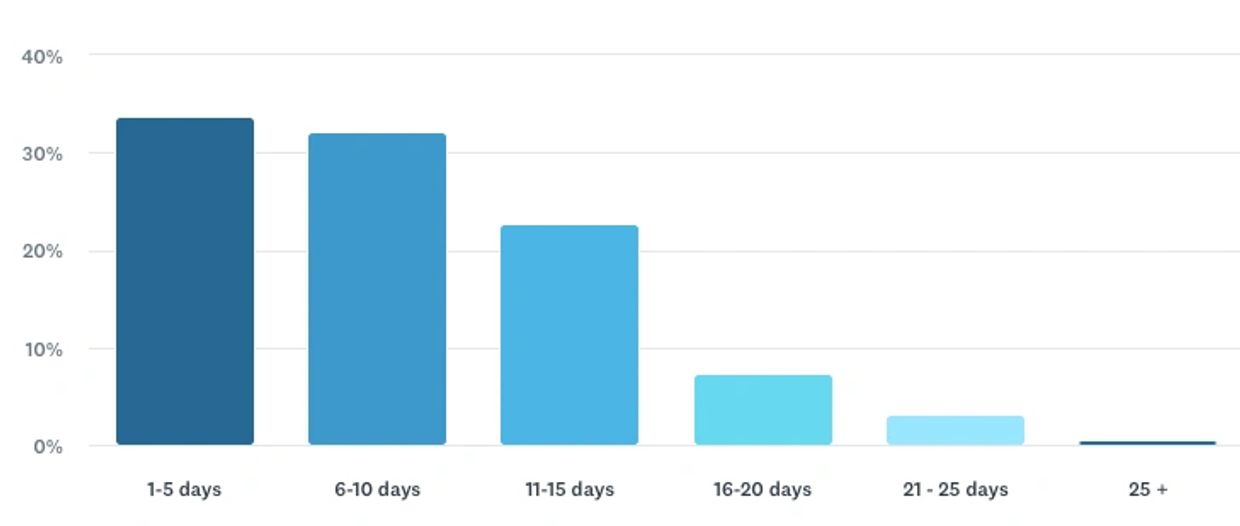
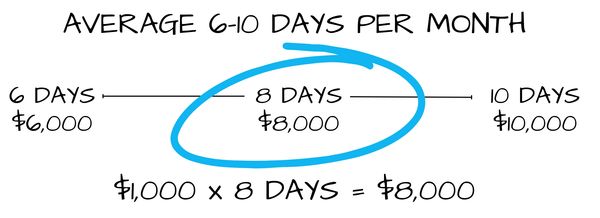
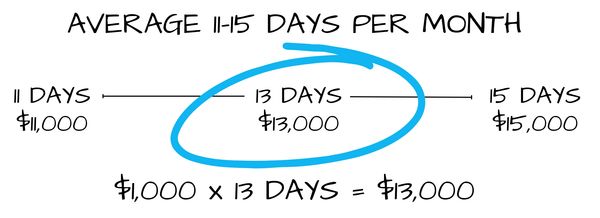
The majority of USA independent cabin crew report flying between 1 and 10 days per month, with an overall average of approximately 10 days monthly.
The data reflects a predominantly flexible, on-demand workforce structure rather than full-time utilization, with only a small percentage flying more than 15 days per month. The median experience falls within the 6–10 day range, reinforcing the part-time and multi-client nature of contract-based business aviation staffing.
Participant's Years of Experience
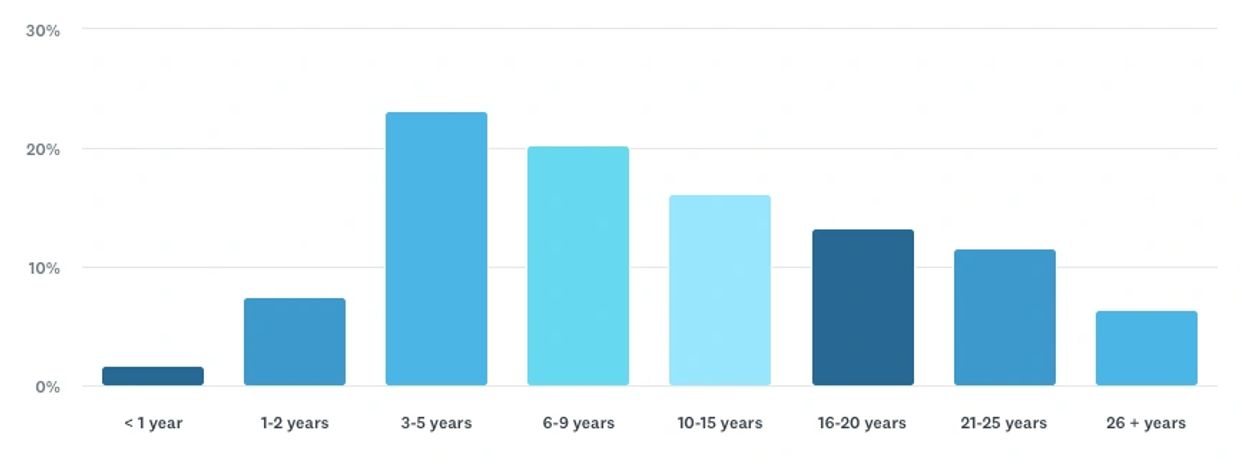
The USA independent cabin crew market is primarily composed of mid-career professionals, with over half of respondents reporting between 3 and 9 years of experience. However, nearly 40% of participants bring 10 or more years of experience, indicating a strong presence of highly seasoned crew within the contract sector.
Entry-level participation (<2 years) remains relatively limited, suggesting that most professionals enter the independent market after gaining initial experience in structured or full-time aviation roles.
Global Daily Rates
-f7db20c.png/:/rs=w:1240,cg:true,m)
Global Average Days Flown (Per Month)
(USA is omitted from the following data)
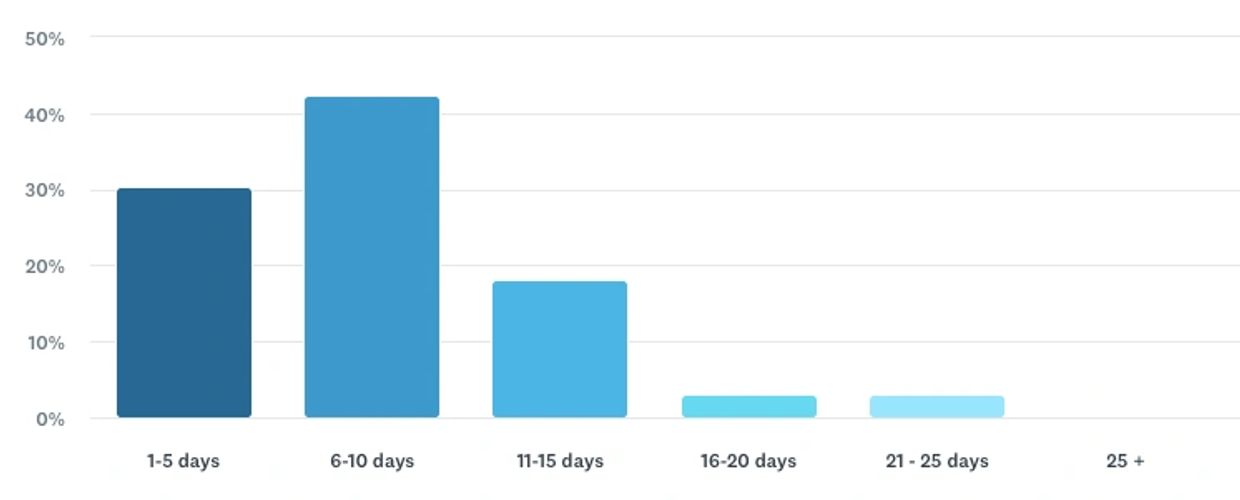
Average Days Flown Per Month
30.4% > 1–5 days
47.8% > 6–10 days
17.4% > 11–15 days
2.2% > 16–20 days
2.2% > 21–25 days
Key Insight Snapshot
- Nearly 80% of contractors fly 10 days or fewer per month
- The dominant global range is 6–10 days/month
- High-utilization flying (15+ days) is rare at ~4.4%
Summary
Globally, contract cabin crew report an average of approximately 8 days flown per month. The majority of respondents fall within the 6–10 day range, reinforcing the highly flexible, on-demand nature of independent business aviation staffing. Only a small percentage report flying more than 15 days per month, confirming that high-utilization schedules remain uncommon across the global contract market.
Global Participant's Years of Experience
(USA omitted in this data tracking)
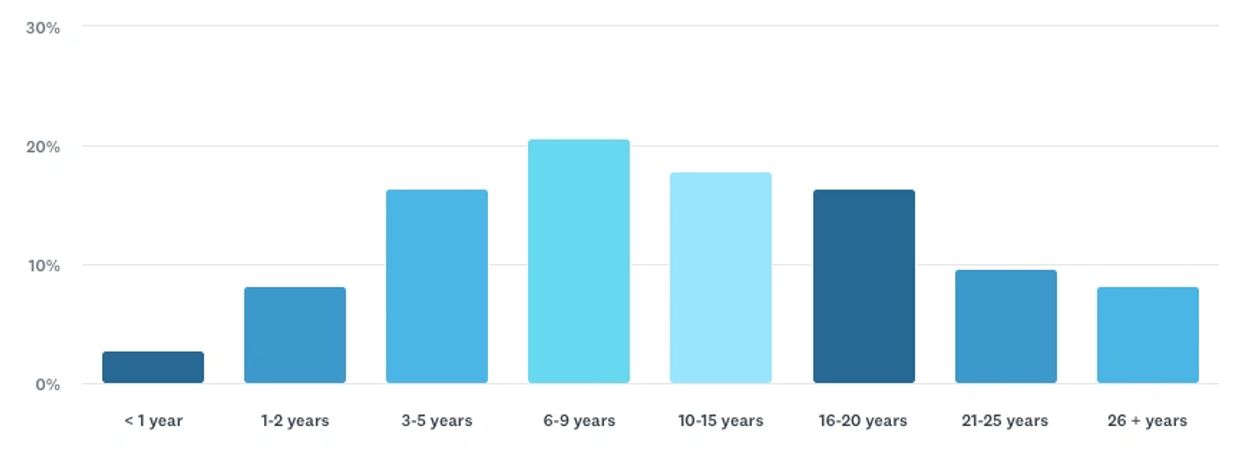
The global contract cabin crew market is predominantly composed of mid-career professionals, with the largest concentration of respondents reporting between 3 and 15 years of experience. However, the data also reflects a substantial presence of highly experienced crew, with more than one-quarter of respondents reporting over 16 years in aviation. Entry-level participation remains limited, suggesting that most professionals enter the independent contract market after establishing foundational experience in structured aviation roles.
Additionally, qualitative responses highlight a highly fluid workforce, with many participants transitioning between active flying, temporary pauses, and contract-based engagements.